
You spend every minute of your life with yourself. Are you nice to yourself? Are you patient with yourself? Is your self talk negative or positive?
We are usually our own worst critic and can treat ourselves harshly.
Self-compassion, the practice of treating oneself with kindness, understanding, and acceptance, is a massively powerful tool for fostering happiness and wellbeing. It’s about giving yourself a break, rooting for yourself, and knowing that you are valuable and worthy as you are. In this article, we’ll explore some science behind self-compassion, its profound effects on mental and emotional health, and provide practical exercises to cultivate a more compassionate relationship with yourself.

The Science Behind Self-Compassion:
Research in psychology and neuroscience has shed light on the profound benefits of self-compassion on mental and emotional wellbeing. Studies have shown that individuals who practice self-compassion experience lower levels of anxiety, depression, and stress, along with greater resilience in the face of adversity. Practicing self-compassion has also been linked to increased happiness, satisfaction in life, greater motivation, better relationships, higher self-esteem, as well as increased immune function. Being compassionate to ourselves and others is hugely influential in our emotional and mental health, and overall wellbeing.
“Self-compassion is not a way of judging ourselves positively. Self-compassion is a way of relating to ourselves kindly.” Says Dr. Kristin Neff, a pioneer in the field of self-compassion research. She defines self-compassion as consisting of three core components:
1. Self-Kindness: Being warm, understanding, and gentle with oneself, especially in moments of pain or suffering. (Being aware of how we feel and being nice to ourselves.)
2. Common Humanity: Recognizing that suffering and imperfection are part of the shared human experience, rather than feeling isolated or alone in one’s struggles. (We are perfectly imperfect. Everyone has good days and bad, and it’s all okay.)
3. Mindfulness: Holding one’s thoughts and emotions in balanced awareness, without getting overwhelmed or suppressing them. (Paying attention to what we are thinking and how we are talking to ourselves. Not identifying with the inner-critic).

Practical Exercises to Cultivate Self-Compassion:
1. Self-Compassion Break:
Take a few moments to pause and acknowledge how you feel. Acknowledge your discomfort. Then step back from it a little, and offer yourself words of kindness and understanding, such as “This is a moment of difficulty, and it’s okay to feel this way. May I be kind to myself in this moment. This is temporary.” Offer yourself some comfort/ encouragement or some relief.
2. Write a Letter to yourself:
Imagine you’re writing a letter to a dear friend who is struggling with a similar challenge. Offer words of compassion, empathy, and encouragement. Then, turn the letter inward and read it to yourself, acknowledging your own humanity and inherent worthiness.
3. Practice Meditation:
Engage in a meditation practice focused on cultivating peace in yourself. There are meditations on many platforms focused on promoting love, compassion, and kindness towards yourself and others. Visualize yourself surrounded by love and warmth, and silently repeat phrases such as “May I be happy, may I be healthy, may I be safe, may I be at peace.”
4. Challenge Your Inner Critic:
Notice when your inner critic emerges, criticizing or judging yourself harshly. Challenge these negative self-talk patterns by offering yourself words of kindness and encouragement. Remind yourself that making mistakes and facing challenges is a natural part of the human experience. You’re more often doing way better than you think you are.
5. Treat Yourself with Care:
Engage in comforting or passionate activities that nourish your body, mind, and soul. Whether it’s taking a relaxing bath, going for a nature walk, or enjoying a hobby you love, prioritize activities that bring you joy and rejuvenation. Find moments of appreciation for yourself and embrace opportunities to be good to you.

In a world that often emphasizes achievement, perfection, and comparison, cultivating self-compassion is a major tool for well-being. By embracing ourselves in all moods; in happiness and frustration, accepting ourselves and then soothing ourselves into a better space, we practice self-compassion and self-love. By being kind to ourselves, recognizing our shared humanity, and in being mindful and aware, we can cultivate a more compassionate relationship with ourselves, leading to greater happiness, resilience, wellbeing and fulfillment in life.
Remember to treat yourself with the same kindness and compassion you would offer to a beloved friend. You are worthy of love and acceptance just as you are, right now.




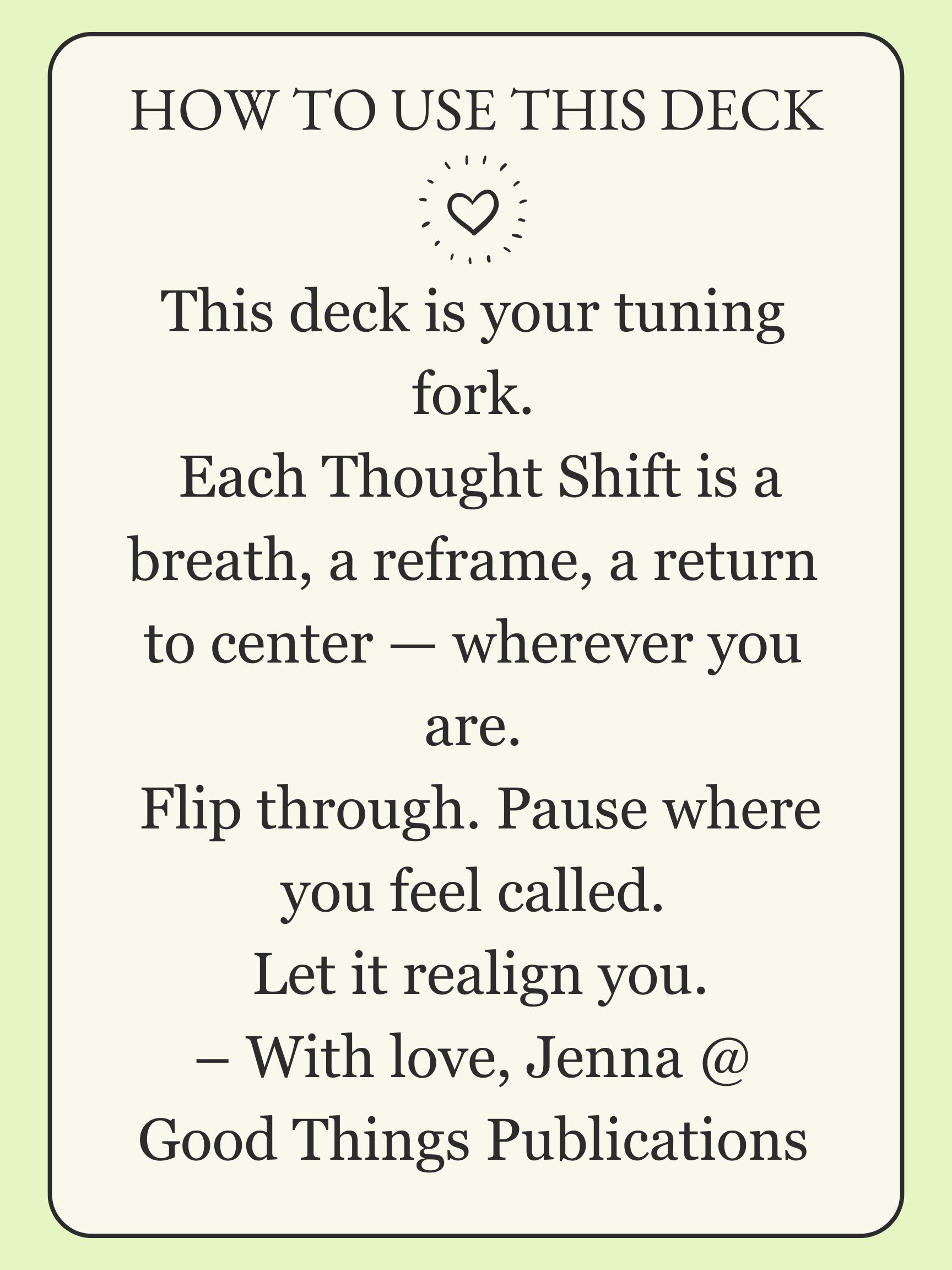

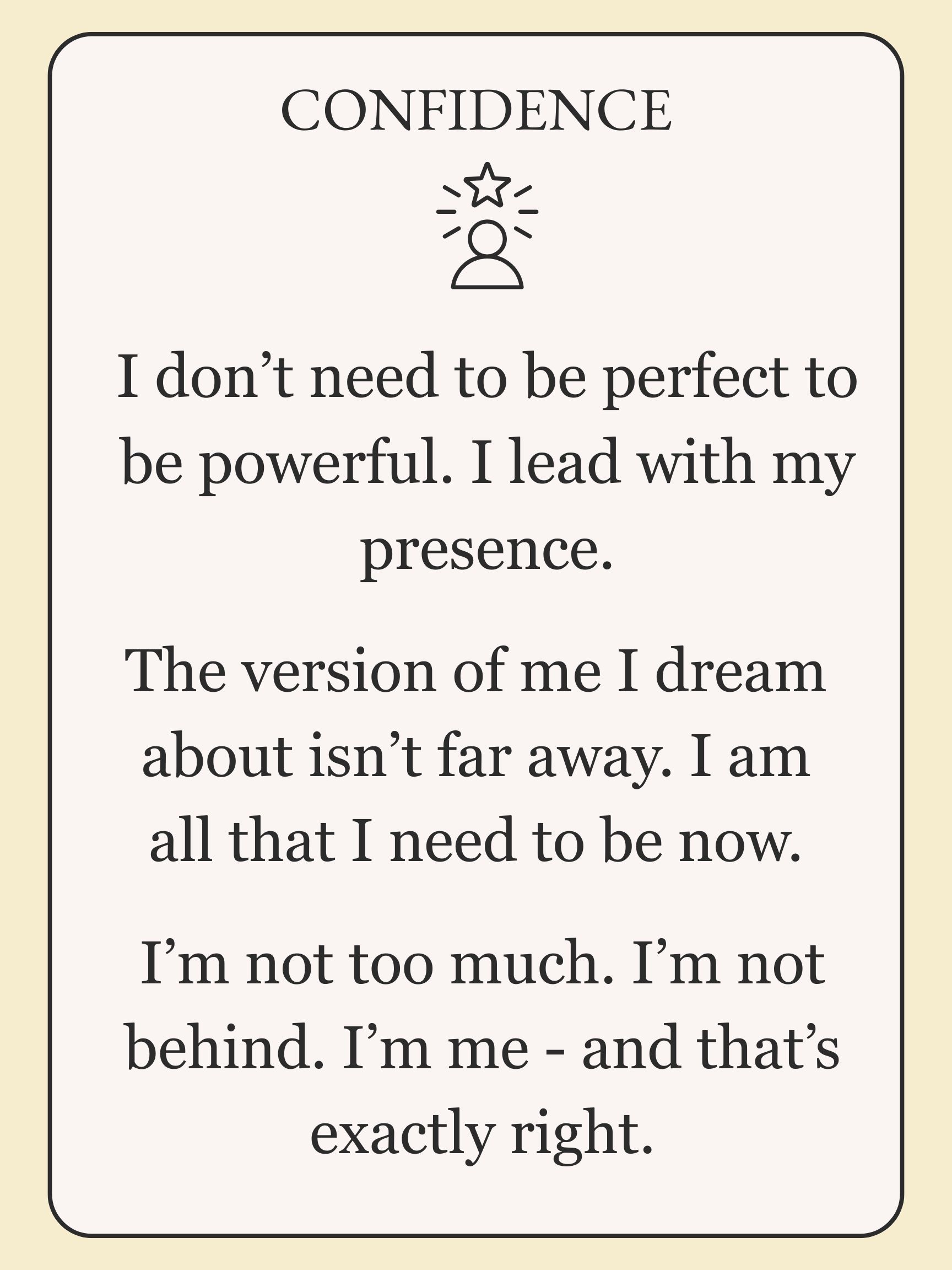
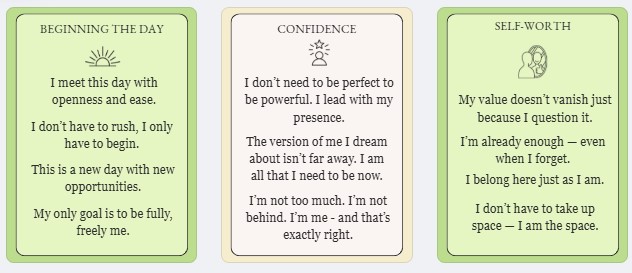
 Good Things Publications
Leave a reply to Be Open to Love – Good Things Cancel reply