
Social media isn’t the villain. And it isn’t the hero either.
It’s a tool — and like most tools, it can support us or quietly drain us depending on how, when, and why we’re using it.
Some days, social media gives us connection, laughter, creativity, and community. Other days… it leaves us feeling distracted, heavy, behind, or oddly anxious.
This is where mindful social media use comes in. It’s not about a strict set of rules or quitting altogether— but as a gentle practice of noticing how scrolling actually feels, and choosing what supports you.
Using Social Media Mindfully
Mindful social media use means you’re not just asking, “How much time am I spending?”
You’re asking: “How is this affecting me?”
It’s the shift from automatic scrolling to intentional choice — where you can still enjoy your favorite apps, but you trust yourself to pause when it stops feeling good.
The goal is awareness, flexibility, and healthier social media boundaries that protect your energy.
When Social Media Is Actually Helpful
Social media can genuinely support you — especially when you’re using it intentionally and it leaves you feeling connected or uplifted.
Social media can be healthy when it:
- Helps you feel connected to friends, creators, or communities you care about
- Makes you laugh or lightens your mood
- Inspires creativity, ideas, or motivation
- Feels intentional — like choosing a song, a video, or a conversation you want to engage with
- Feels neutral or nourishing when you put your phone down
You’ll usually know it’s helpful because you don’t feel rushed, tense, or “lost” afterward. There’s a sense of choice rather than compulsion.
Good check-in questions:
- “Am I enjoying this — or just passing time because I don’t know what else to do?”
Neither answer is wrong. The awareness is what matters. - “What am I looking for right now?”
Connection? A laugh? Inspiration? A quick break?
If you can name what you want, you’re already using social media more mindfully.
When Scrolling Stops Being Supportive
Social media usually becomes draining when it turns automatic, overstimulating, or emotionally charged.
If you open Instagram and immediately feel tight in your chest… or you close TikTok feeling foggy and behind… that’s useful information. Not a reason to judge yourself — just a sign you may need a reset.
This is where doom scrolling and the comparison trap often sneak in — not because something is “wrong” with you, but because the brain loves novelty and distraction, especially when we’re tired or overwhelmed.

Doomscrolling: what it looks like
Doomscrolling is when you keep scrolling even though it doesn’t feel good — often through upsetting news, conflict, negativity, or fear-based content.
Signs you might be doomscrolling:
- You’re scrolling without realizing how much time has passed
- You feel tense, heavy, or “stuck” but keep going
- Your nervous system feels activated (racing thoughts, tight body)
- You’re consuming upsetting content on a loop
It’s not a personal failure — it’s a nervous system response. When you’re stressed or tired, your brain seeks novelty and information (even if it’s harmful).
The comparison trap (and how to notice it)
The comparison trap is sneakier. It can happen even with “positive” content.
Signs comparison is happening:
- You feel behind in life, love, money, beauty, success, or timelines
- You start rewriting your self-worth based on what you’re seeing
- You feel a low-grade pressure to “catch up” or change yourself
- You forget your real life is happening right now
A simple tell: if your body tightens and your mind starts racing, comparison is likely driving the scroll.
Again, this isn’t about blame. It’s about noticing the moment before depletion turns into burnout.
The “Pause and Feel” Practice
One of the simplest ways to practice mindful social media use is to pause while you’re still scrolling — not after you feel bad.
Try this:
- Take one breath
- Notice your body (jaw, shoulders, stomach, chest)
- Ask: “Is this giving me something right now — or taking something?”
If it’s giving (connection, joy, inspiration), keep going.
If it’s taking (stress, comparison, heaviness), that’s your cue to gently stop.
What to Do Instead of Scrolling (When It’s Time to Stop)
You don’t need a dramatic detox or a perfect replacement habit.
Sometimes it’s enough to:
- Put your phone face down and take three slow breaths
- Step outside or look out a window
- Stretch, move, or shake out tension
- Do something small and grounding (tea, music, tidying one surface)
- Switch from scrolling to creating — even something tiny
The goal isn’t productivity. It’s coming back to yourself.

Mindful, Not Perfect
Mindful social media use doesn’t mean you’ll never scroll mindlessly again. You will. We all do.
What changes is the relationship:
- Less judgment
- More choice
- Faster recovery
- Greater self-trust
You start to recognize when scrolling is a soft landing — and when it’s a sign you need rest, presence, or real-life connection instead.
That awareness is the whole practice.
FAQ: Mindful Social Media Use
How do I know if I’m doomscrolling?
If you’re scrolling automatically, losing track of time, consuming upsetting content, or feeling worse afterward, it’s likely doomscrolling.
Is it better to quit social media or use it mindfully?
It depends. Many people do best with boundaries and intentional use, not quitting entirely. The goal is to feel more choice and less compulsion.
What’s a simple boundary that actually works?
Try a “pause before you open” rule: one breath + one question — “What am I looking for right now?” If you can’t answer, do a 1-minute reset first.
How do I stop comparing myself on social media?
Notice the body signal (tightness, heaviness, urgency). Then switch to “safe” content (creators who make you feel good) or step away and reconnect with your real life. Remember: social media is a highlight reel — filtered through perspective (and sometimes literal filters).
Social media is just one small part of your life — not the measure of it. The real moments are happening off-screen, in your body, your breath, your relationships, your day. And you get to come back to them anytime you want.

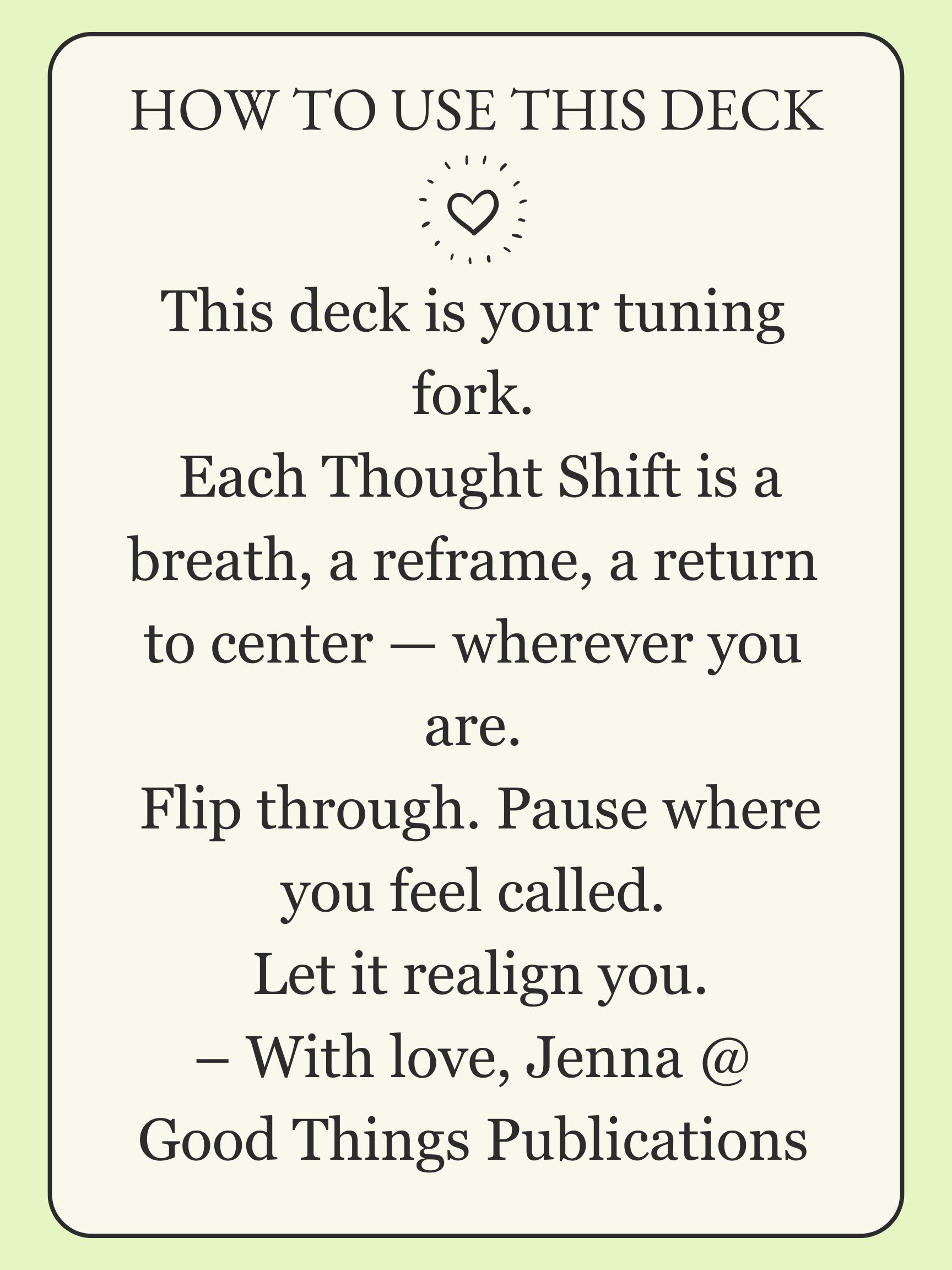
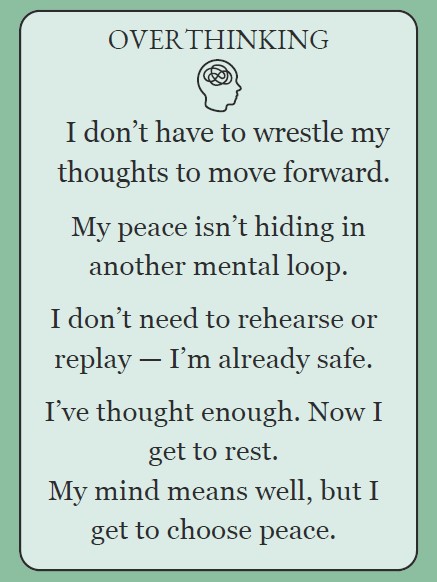
 Good Things Publications
Leave a comment