
We’ve all been there – that moment when someone asks for a favor, an invite, a quick “can you just…,” and your whole body whispers no, but your mouth – that people-pleasing overachiever – blurts out “Sure!”
It’s not that you don’t care. It’s that you do.
You care about how others feel, how you’re seen, and what might happen if you disappoint someone. But here’s the truth: every time you override that quiet inner “no,” you chip away at the trust you have with yourself.
Learning the art of saying no isn’t about becoming cold or unavailable. It’s about creating space for what’s true – for you, and for the relationships that deserve your full, genuine energy.
Why Saying No Is a Form of Self-Respect
“No” doesn’t mean you’re unkind or selfish – it means you’re honest.
It’s one of the simplest ways to practice self-respect and emotional clarity.
When you say no to something that doesn’t align, you’re saying yes to your peace, your time, your priorities, and your values.
You’re protecting the energy that helps you show up fully for the things and people that matter to you.
If you’ve spent years saying yes out of habit, guilt, or fear, it can feel uncomfortable at first – almost like you’re doing something wrong. Kind of like calling in sick when you are sick, but still feeling guilty. That’s just your nervous system adjusting to a new form of self-respect and self-trust.
The more you practice, the easier it becomes.
“No” Doesn’t Need a Speech
We often feel like we owe everyone an explanation.
“I’d love to, but…”
• “I wish I could, it’s just that…”
• “I’m so sorry, I can’t because…”
But no thanks is a full sentence.
You don’t owe anyone a PowerPoint presentation about your schedule, your mental bandwidth, or your emotional weather forecast. A kind but firm “no” – delivered with love – is still love.
You can keep it simple:
• “No thanks, I can’t this time.”
• “That doesn’t work for me.”
• “I’m not available, but thank you for thinking of me.”
The less you justify, the more you affirm your right to decide where your energy goes.

Listening to Your Gut
Your body often knows before your brain does.
Notice the feeling that comes up when a request lands:
• Do you feel light, open, peaceful? That’s usually a yes.
• Do you feel tight, uneasy, or a little resentful already? That’s likely a no trying to speak up.
Learning to pause before responding gives you the gift of space – to check in, to listen inward, and to choose consciously. A few seconds pause can save hours (or days) of regret later.
The Ripple Effect of an Honest “No”
Saying no deepens connection, not weakens it.
When you’re clear and honest, you teach others that honesty is safe. You model what healthy communication looks like.
The right people won’t punish your boundaries – they’ll respect them.
The more authentic your “no” becomes, the more meaningful your “yes” will feel.
And in that balance, between giving and guarding, your relationships start to grow in truth, not obligation.
“No” Isn’t Rejection, It’s Redirection
Saying no isn’t rejection – it’s redirection.
It’s choosing peace over pressure, alignment over approval.
You don’t need to defend your no. You just need to trust it.
Because when you honor your boundaries, life starts to fill with the things, and people, that honor you back.

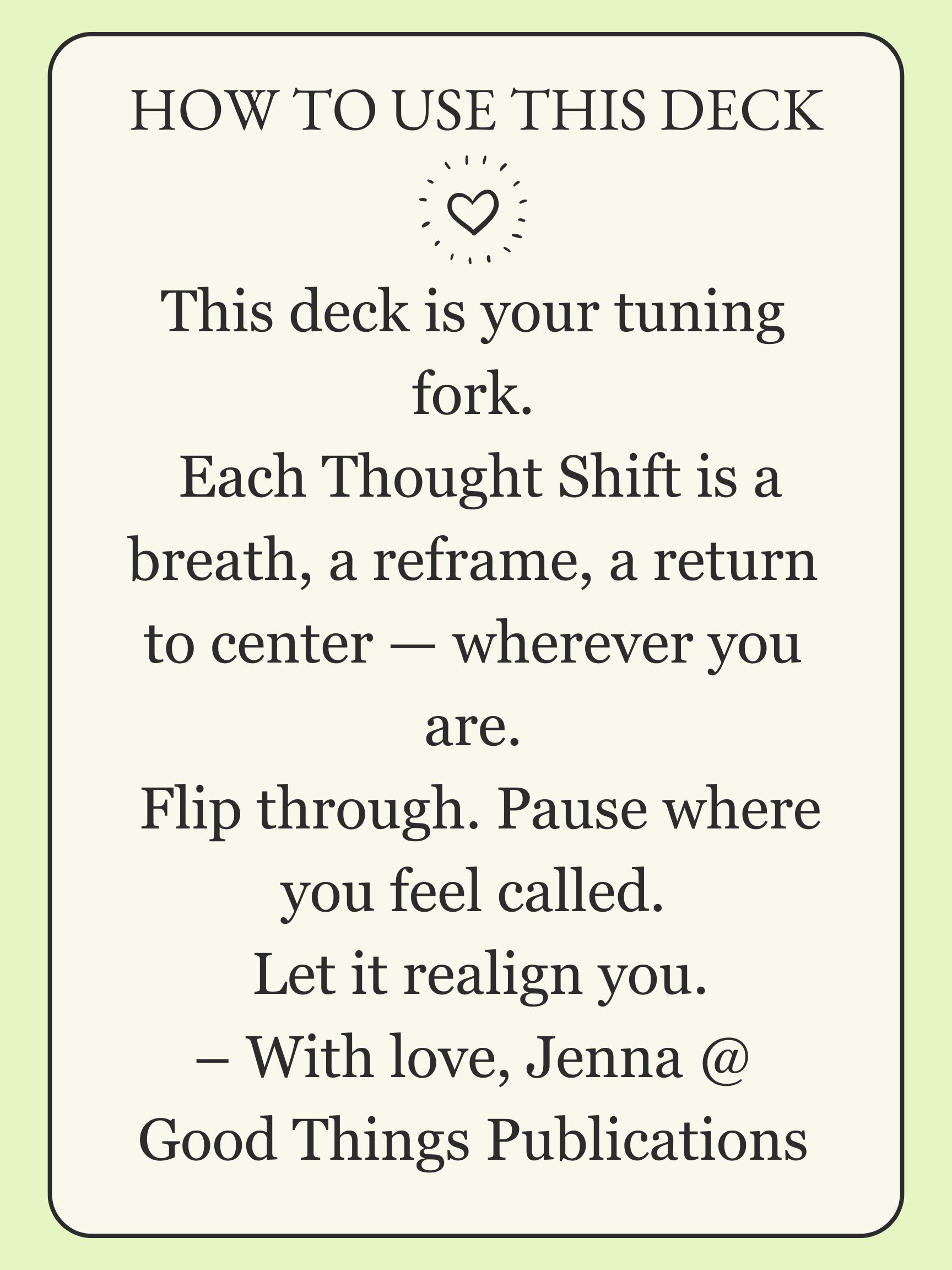
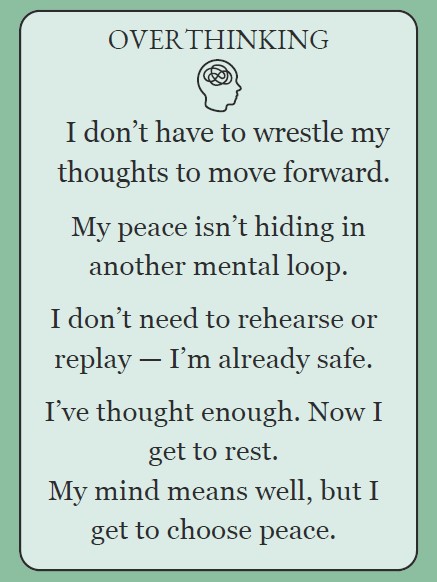
 Good Things Publications
Leave a comment