

We often try to think our way to clarity- but what we really need is to regulate first and return to center.
We spiral, overanalyze, and rush to take action- not because it’s right, but because we want the discomfort to stop. But when your shoulders are tight, your brain’s foggy, and your chest feels like it’s holding a small thunderstorm… that’s not a decision-making state.
It’s not indecision – that’s your nervous system waving a white flag
Most of the time, you don’t need more thinking –
you need more regulation.
A pause. A reset.
A breath before the next move.
Because clarity doesn’t come from chaos.
It comes from calm.

Your Nervous System Doesn’t Care About Your To-Do List
When you’re dysregulated, anxious, overstimulated, overtired- your body is trying to protect you. It doesn’t want you to weigh your options. It wants to get safe. That’s why everything feels urgent and overwhelming when you’re activated.
Decisions made in that state often come from:
• Fear
• Pressure
• Avoidance
• People-pleasing
• Or straight-up exhaustion
That’s not clarity. That’s survival mode.
What Does “Regulation” Actually Mean?
To regulate your nervous system means to come back to a state of safety.
It’s that exhale moment- when your mind softens, your heart rate slows, and your body goes,
“Oh… we’re okay.”
Regulation doesn’t require a yoga retreat or five days away from the world.
It might just be:
• Two deep breaths with your feet flat on the floor
• A cold glass of water
• Five minutes of silence in your car
• Shaking your arms out and humming
• A dance-break
• Or stepping outside and letting the air touch your skin
The point isn’t perfection.
It’s presence.

Try This Before You Make Any Big (or Small) Decision
Before you commit, reply, send, sign, say yes, say no- check in with your system:
• Is my breath shallow or steady?
• Is my heart racing?
• Is my body in tension or ease?
• Do I feel grounded in me or spun out by everything else?
If the answer is “spun out,” pause.
Regulate first. Decide after.
Quick Tools to Regulate in Real Life
Here are some fast, accessible ways to regulate when you’re in the thick of it:
• Low & slow breathing: Inhale for 4, exhale for 6.
• 5-4-3-2-1 grounding: Name 5 things you see, 4 you feel, 3 you hear, 2 you smell, 1 you taste.
• Name the emotion: “I’m feeling anxious. I’m not broken. I just need support.”
• Move your body: Shake it out. Dance it off. Walk it through.
• Delay it: “Let me sleep on it.” “Can I get back to you tomorrow?”
Regulated You Makes Wiser Choices
You can still set boundaries.
You can still say no.
You can still be direct and decisive.
But regulated you does it with clarity, with alignment, and with self-respect, not panic.
When you give your system the space to settle, you give your mind the chance to choose from your truth, not your triggers.
The Reminder To Keep With You
“Is this a moment to act, or a moment to pause and come back to myself first?”
Regulate first.
Decide later.
It changes everything.
Want More Support Realigning?
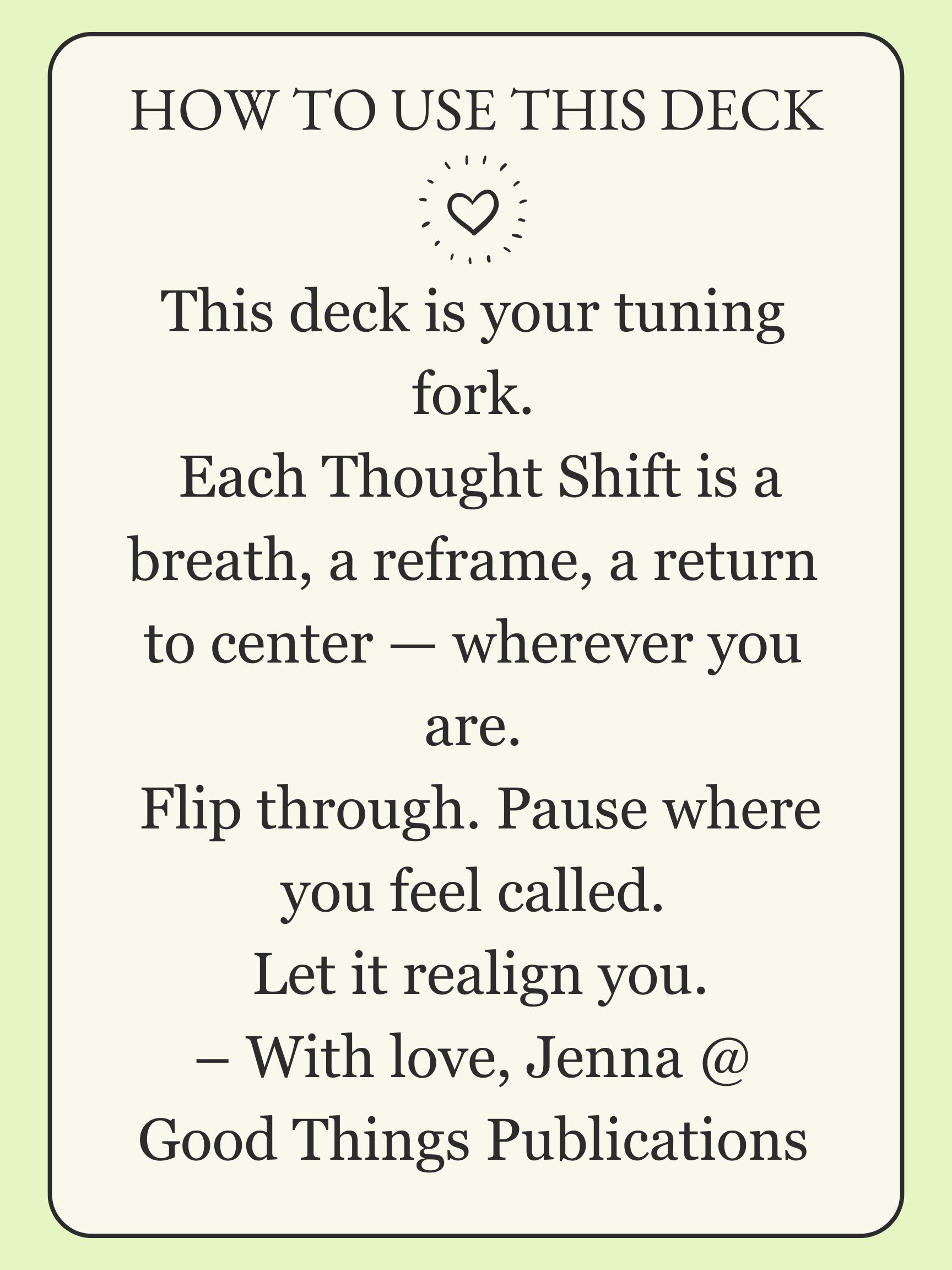
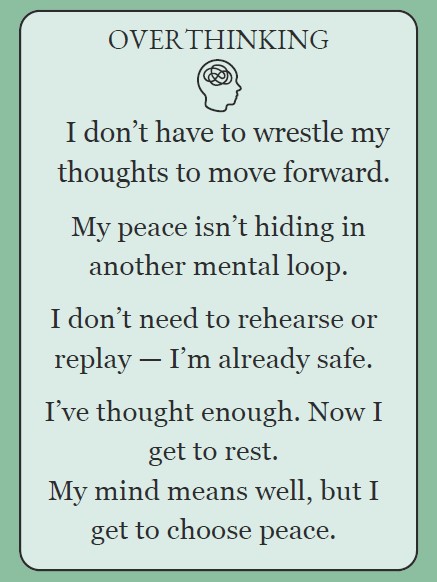
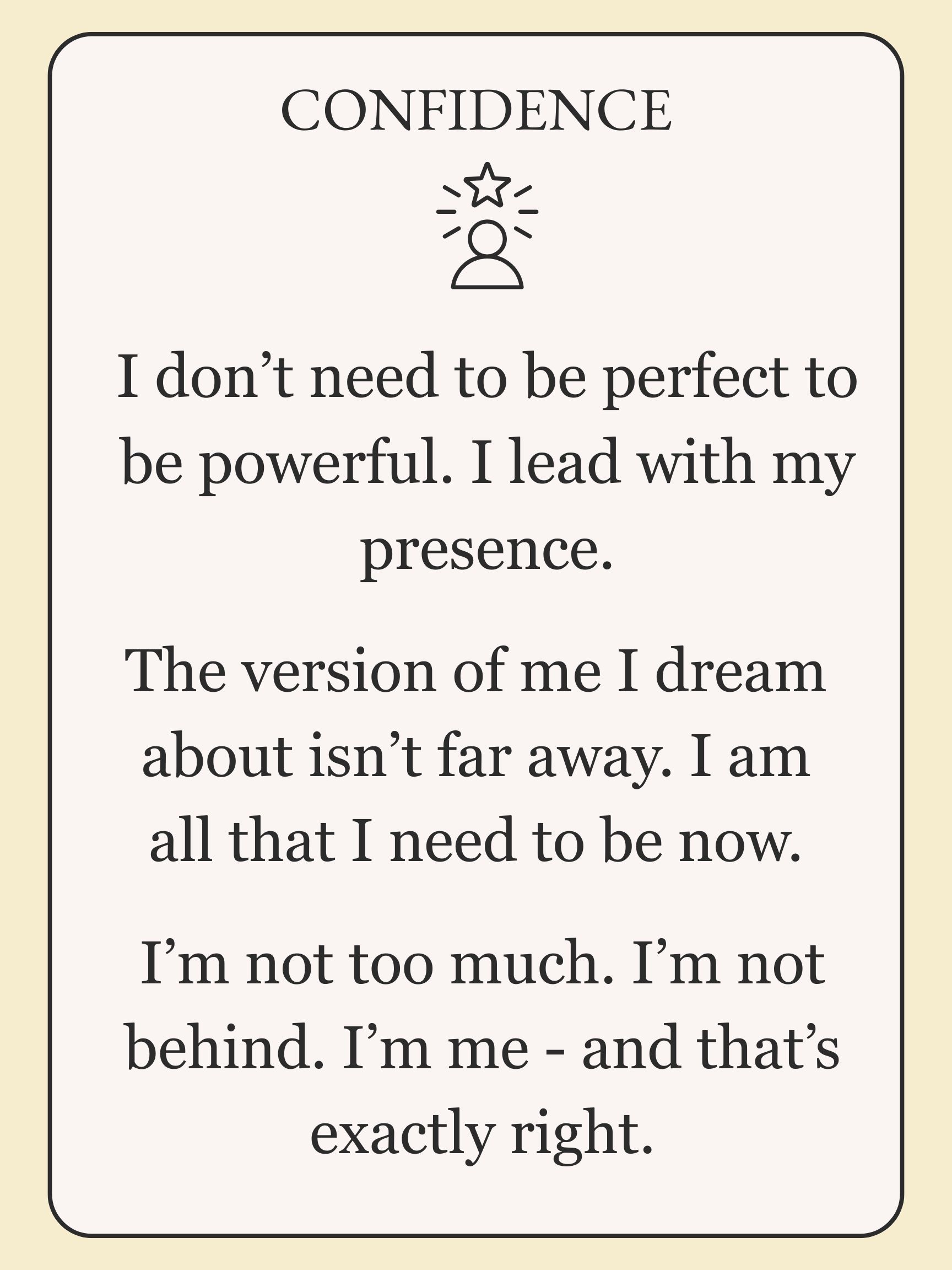
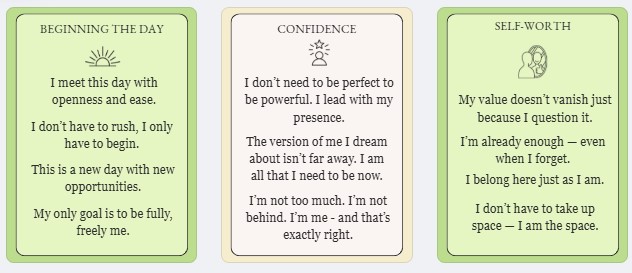
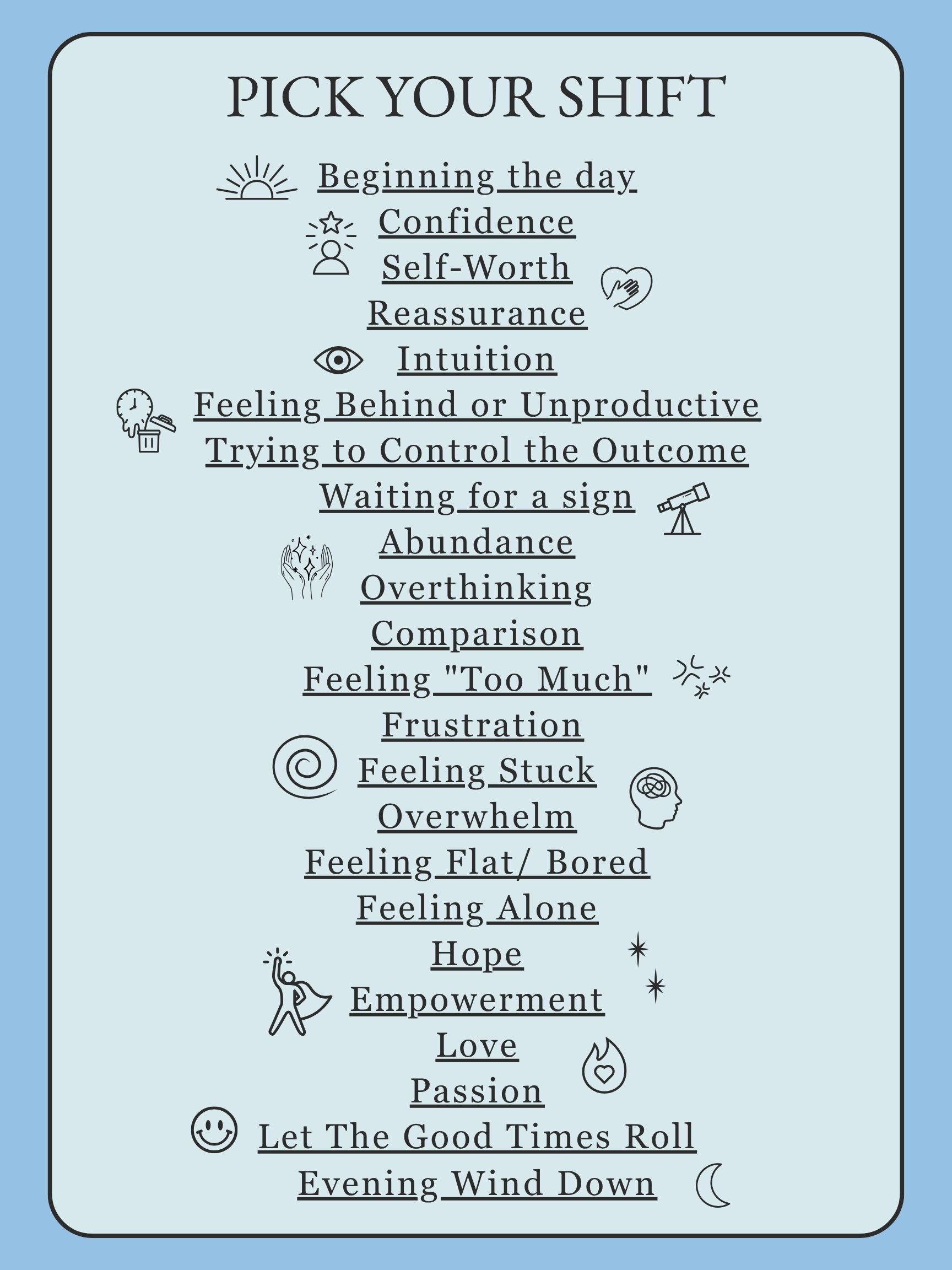
If you loved this article, you might also enjoy The Alignment Deck—a cozy tool for emotional resets and nervous system support. Designed to help you pause, breathe, and come back to yourself anytime you need it.
✨ Pull a card. Shift your vibe. Start again.
Explore the deck here or save this post for when your mind needs a little gentle reset.
- If Valentine’s Feels Weird This Year: A Gentle Reset
- Mindful Social Media: When to Scroll and When to Stop
- 2025 Holiday Gift Guide
- Having a Boyfriend Isn’t Embarrassing
- How to Celebrate Halloween (Even If You Have Zero Plans)

[…] Read more in this article Your Emotional Guidance System (EGS): How to Use Your Feelings as a Compass […]
[…] Mini Mindfulness Moments You Can Do Anywhere […]
[…] Regulate First, Decide Later […]
[…] 3. Breathing Exercises: When you feel overwhelmed or stressed, take a few deep breaths. This simple practice can help…
[…] EFT Tapping: Process your current emotions and release them by becoming present in your body, acknowledge the emotion and…


 Good Things Publications
Leave a comment