
In the business of day-to-day life, self-care is not always thought of as a priority on the ‘To-Do List.’ But taking just a few minutes in the day to connect with yourself is crucial for living life healthy and happily. One effective way we can more consistently and practically practice self-care is to have a ‘self-care toolkit’ – a collection of ideas and activities designed to help relax, recharge, and feel good. You can ‘reach into the kit’ at any time of the day for one “tool” or many, applying what feels best to foster more ease and flow in yourself and in life. Here’s how to build your ultimate self-care toolkit.
Self-Care is Key
Self-care is the practice of taking action to preserve or improve one’s health. It’s about recognizing your needs and taking steps to meet them. It’s about connecting with yourself and honoring your feelings. Whether it’s physical, emotional, mental, or spiritual, self-care is a vital component of a healthy lifestyle. A self-care toolkit provides a go-to list of practices and items that can help you cope with stress, enhance your mood, and promote overall well-being.
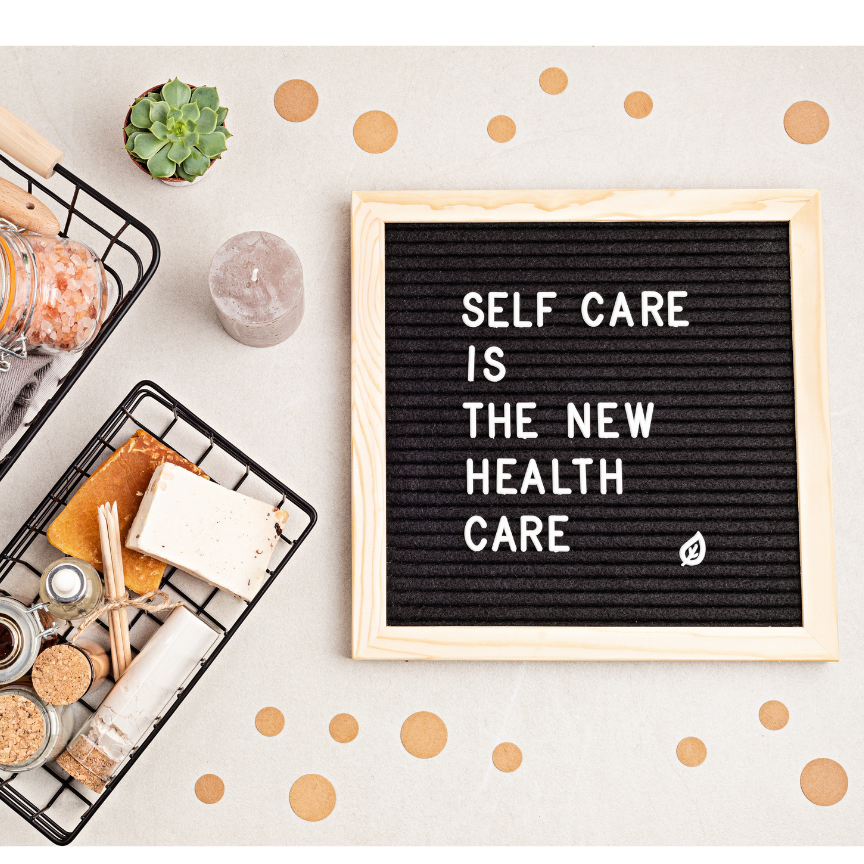
ESSENTIALS FOR YOUR SELF-CARE TOOLKIT
This collection of practices, resources, items and ideas should be totally unique to you. It’s about putting together a list of things that help you tune into yourself and lean towards well-being – in good moods and bad moods. What makes you feel good? What brings you peace? What thoughts or thing cheer you up? How do you express yourself? Grab something to write with or make a note in your phone of what’s in your tool-kit as you read and think of ideas that resonate with you. Here are some good tools you could include:
1. MINDFULNESS AND PRESENCE:
- Meditation: Setting time aside to relax your mind is hugely beneficial in connecting with yourself and “taking the edge off.” There are lots of different kinds of meditations and resources for them. Apps like Headspace or Calm can guide you through mindfulness exercises. It can be just a moment or two of releasing some thought that makes a big difference.
- Breathing Exercises: Simple breathing techniques can quickly reduce stress and improve mental clarity. Mindful breathing is powerful, only takes a few minutes and makes us more present. Notice your breathing during the day. Notice your breathing right now. Is it shallow? Are you holding it? Take a big deep breath in right now *breathe in for a slow count of 1, 2, 3*, hold it * 1, 2, 3*, and release *1, 2, 3*. Do this a few times and see how you feel. Another effective method is doing a double inhale and a long exhale – often called the 2 to 1 method or a double inhale. There are lots of resources online for different techniques that you can use.
- Mindful Movement: Incorporate some stretching/ yoga routines to enhance physical and mental relaxation. Connecting the mind and body is powerful for connecting to yourself. Tune into your body and move it around as it feels good, no matter what it might look like.
- EFT Tapping: Process your current emotions and release them by becoming present in your body, acknowledge the emotion and ‘tap’ on an acupressure point on the body ; for example, breathe deep, tap your collar bone and tune in. More on EFT Tapping.
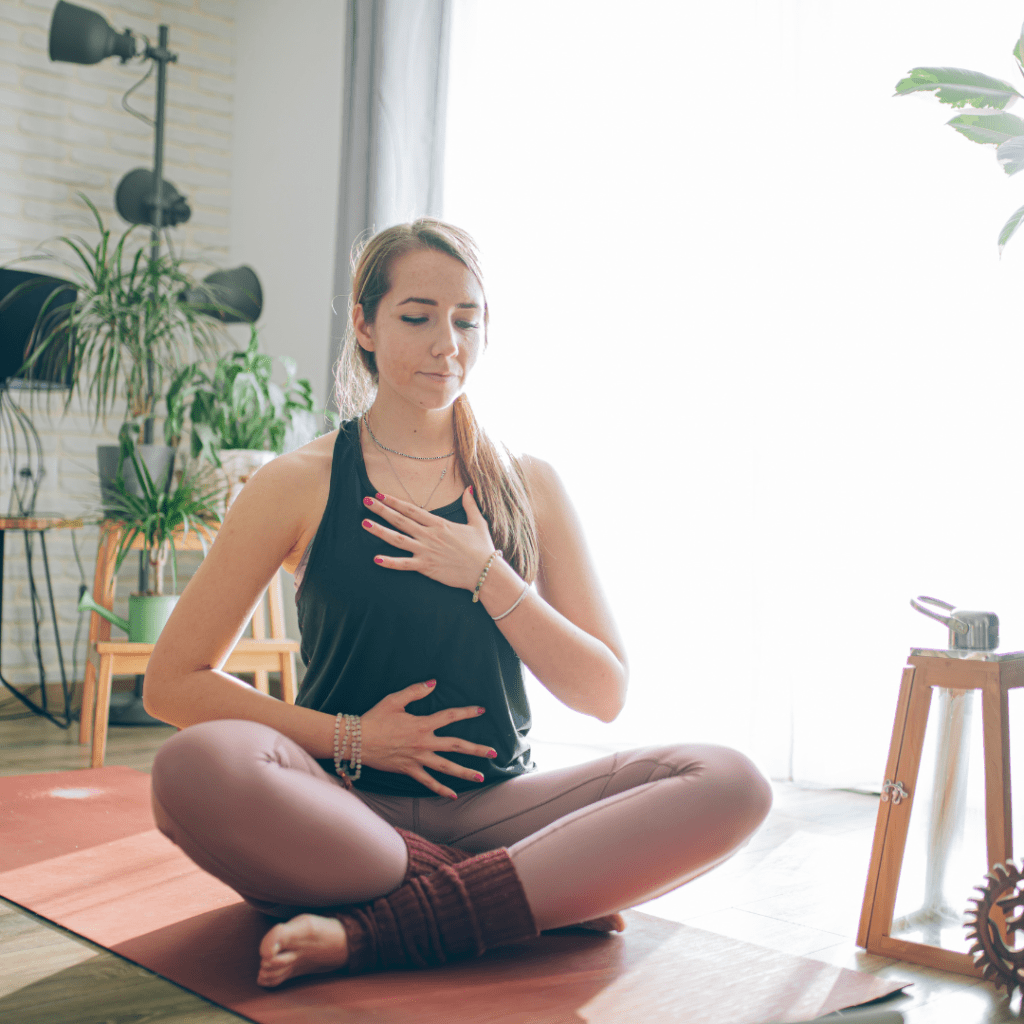
2. COMFORT AND RELAXATION:
- Hot Showers or Baths: A quick hot shower or nice bath can be incredibly soothing. Add bubble bath or candles, or music. Take a moment to bask and enjoy the feeling of the warm water and soap and being clean.
- Get Comfy: Create a comfortable space where you can unwind and feel safe. This can be in your bed, on the porch, it can be a blanket or favorite pair of pants. Make yourself more comfortable.
3. FEEL GOOD ENTERTAINMENT:
- Music: Curate playlists of your favorite songs. What songs make you feel good? Or songs that make you want to sing?
- Movies and TV Shows: Keep a list of films and series that bring you joy or comfort. Sometimes, a good laugh or cry is all you need. What’s your comfort movie or show?
- Books: Have a collection of books that inspire you, whether they are novels, poetry, or self-help guides.

4. CREATIVE OUTLETS:
- Journaling: Writing down your thoughts and feelings can be a powerful way to process emotions.
- Art Supplies: Drawing, painting, or crafting can be therapeutic and a great way to express yourself.
- Get Creative: Create something. Anything you feel like. Cook or bake with more fun and expression, make a cool base in a video game, style an outfit, create a dance routine, create good mood, create good fantasies and memories, get creative in some fashion that works for you. How can you creatively express yourself?
5. PHYSICAL WELLNESS
- Exercise: Move your body – take a walk, dance, stretch, work out, play a sport, something physical to keep your body active and healthy.
- Healthy Snacks: Keep a stash of nutritious snacks to nourish your body. Incorporate fruit and vegetables that you enjoy.
- Hydration: Drink plenty of water. A good water bottle is super helpful for staying hydrated throughout the day.
- Rest: Nap and sleep when you can. You do not always have to be “on” or completing tasks. Often, resting when you can and when you need is much more productive than forcing yourself to do something.

7. EMOTIONAL SUPPORT
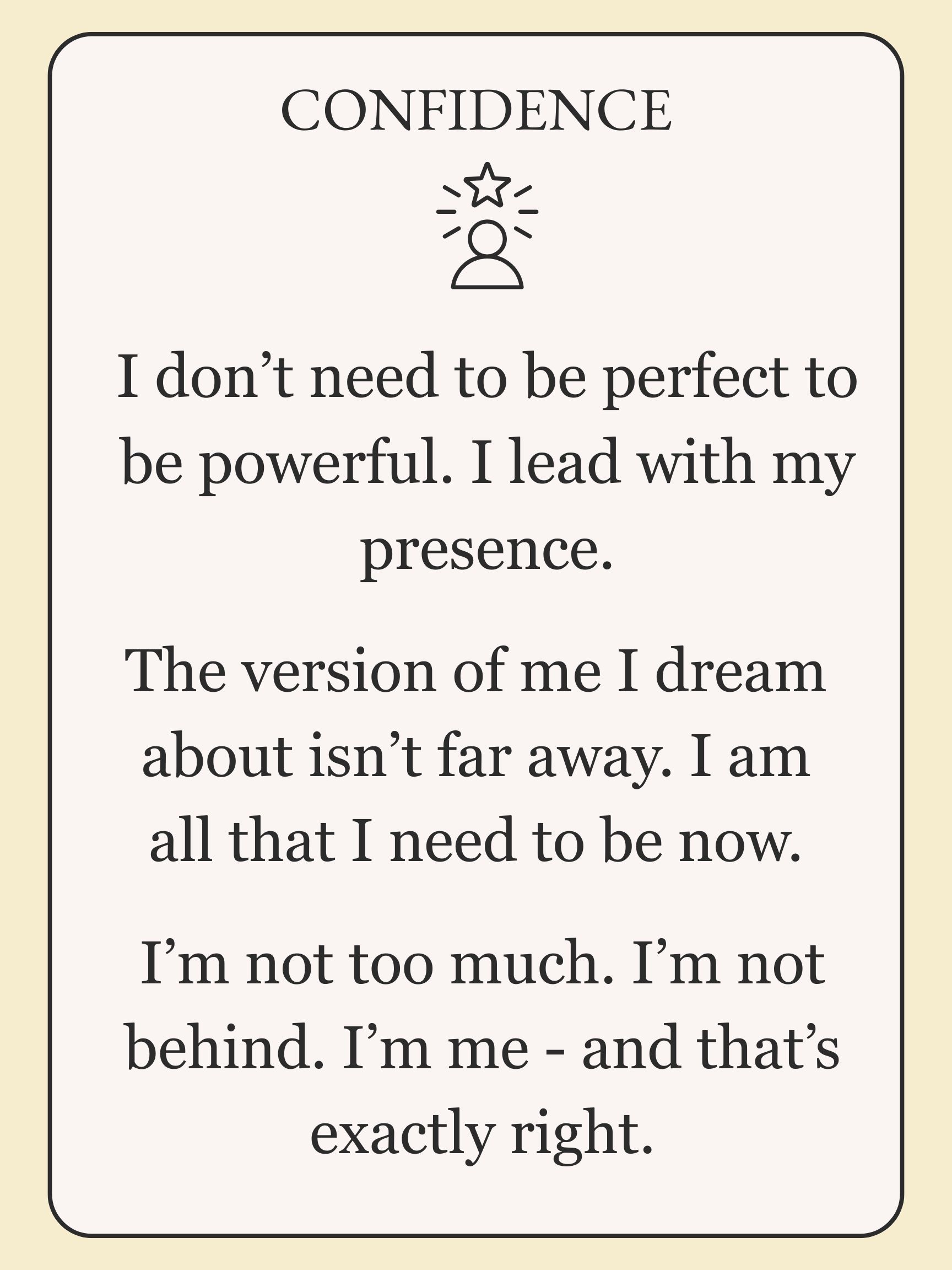
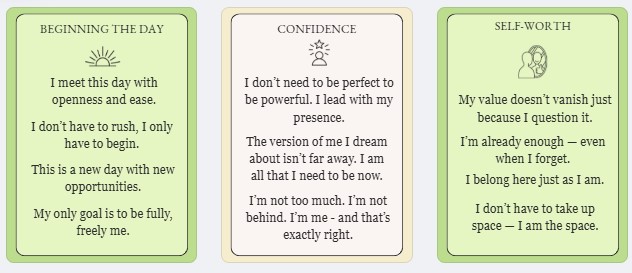
- Affirm: Mantras, quotes, or affirmations that ease you and empower you. Such as with this affirmation from Louise Hay:
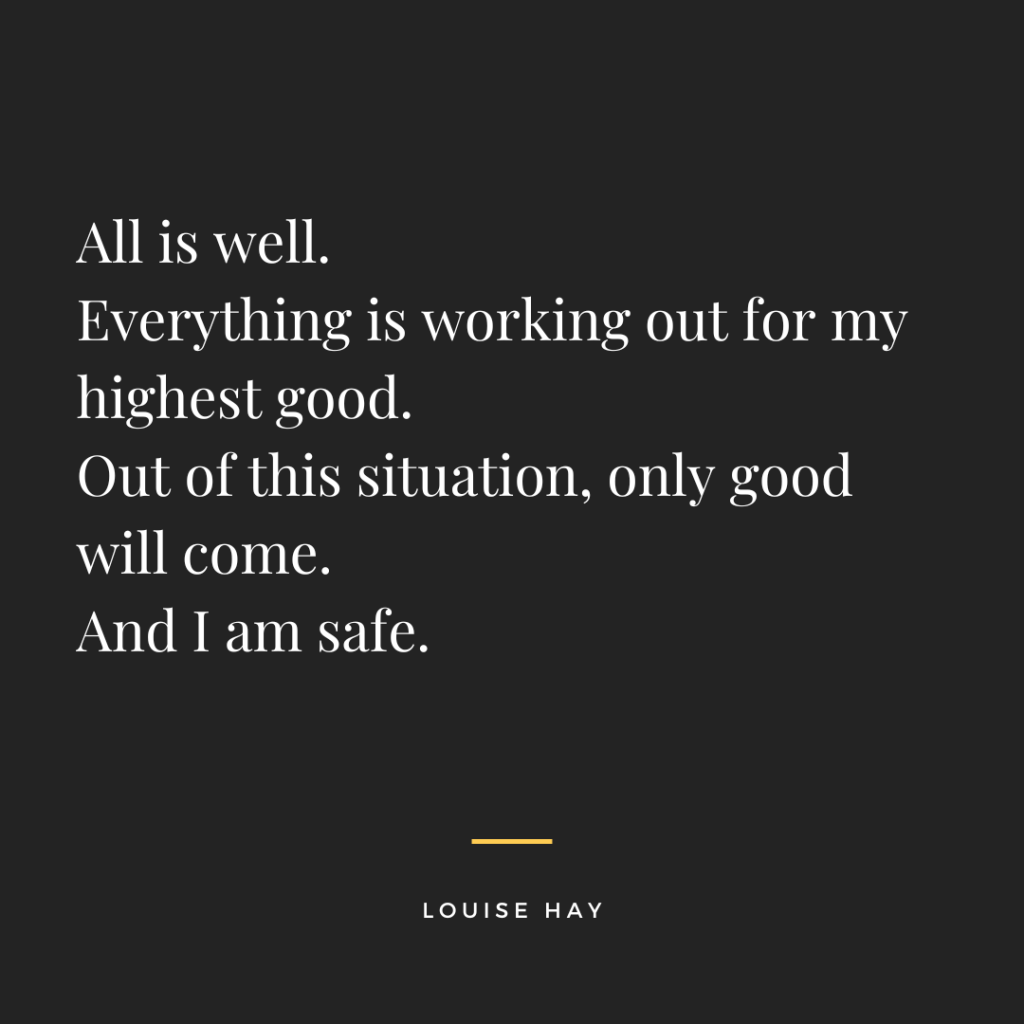
Positive affirmations can boost your mood and self-esteem.
- Gratitude Journal: Writing down things you’re grateful for can shift your mindset and promote positivity. When you write from a good feeling place, you can re-read what you wrote and activate those good feelings.
- Connect: Keep a list of positive/ supportive friends or family, or other resources you can reach out to when you need to talk. Pet your cat or play with your dog.
Update Your Toolkit
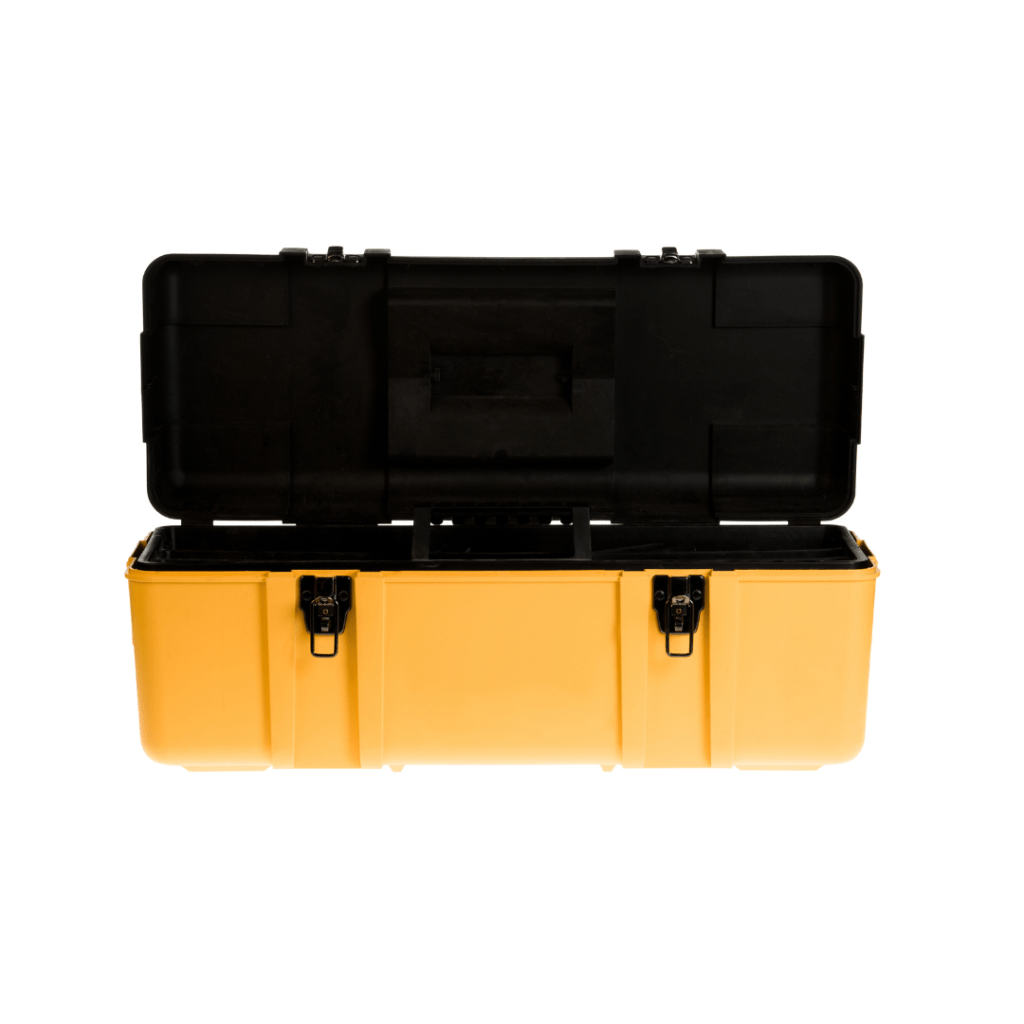
Your self-care toolkit should be as unique as you are. Think about what activities / thoughts/ items make you feel the most cared for and at peace. It might take some trial and error to find what works best, but that’s part of the journey. Regularly update your toolkit to reflect your evolving needs and interests.
Using Your Self-Care Toolkit
Integrate your self-care toolkit into your daily routine. Set aside dedicated time each day, even if it’s just a few minutes, to focus on yourself. Listen to your body and mind; especially when you start feeling overwhelmed or stressed, reach for your toolkit, feel for what “tool” feels best at the moment, and take proactive steps to nurture yourself.
Building a self-care toolkit is an empowering step towards enhancing your well-being. By ‘filling it’ with items and activities that bring you comfort, joy, and relaxation, you create a personalized resource to help you navigate life’s challenges. Tune into you and listen to yourself. Honor yourself. Express yourself. Release what you cannot control. Remember, self-care isn’t selfish; it’s a vital practice that enables you to be the best version of yourself.
What are you putting in your toolkit?
What ‘tool’ could you use today to connect with yourself and ease yourself?

 Good Things Publications
Leave a comment